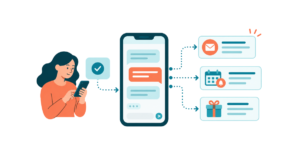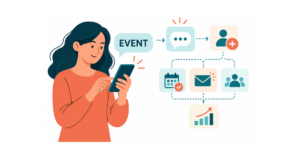

SMS is one of the most powerful communication channels available to marketers, and one of the easiest to misuse.
Text messages are immediate, personal, and nearly impossible to ignore. That’s exactly why recipients are highly sensitive to how brands use them. One poorly timed or unexpected message can damage trust far faster than a misplaced email ever could.
Done responsibly, however, SMS can strengthen relationships, deliver real value, and drive exceptional engagement. The difference comes down to consent, expectations, and relevance.
Here’s how to build an SMS program customers welcome instead of tolerate.
Start With Explicit, Documented Consent
Unlike email, SMS typically requires clear, affirmative permission before sending marketing messages. This isn’t just best practice; it’s a legal requirement in many jurisdictions.
Effective opt-ins should clearly communicate:
- What type of messages will be sent
- How often subscribers can expect to hear from you
- Whether messages are promotional, informational, or both
- Any associated costs (if applicable)
- How to opt out
Avoid vague sign-up language. Customers should never feel surprised when a text arrives.
Whenever possible, use double opt-in processes or confirmation messages to verify intent and create a record of consent. This protects both the recipient and your organization.
Set Expectations from the Beginning
Transparency builds trust and prevents complaints.
If subscribers believe they signed up for occasional alerts but receive daily promotions, they’ll disengage quickly. Clear expectation-setting dramatically reduces opt-outs and spam reports.
Consider specifying:
- Message frequency (“up to about 4 messages per month”)
- Types of content (“order updates, reminders, special offers”)
- Typical sending hours
- Whether responses are monitored
When expectations are clear, even frequent messaging can feel appropriate.
Deliver Value Every Time
SMS has a high attention cost. Each message interrupts whatever the recipient is doing, so it needs to justify that interruption.
High-performing SMS programs focus on content that is:
- Time-sensitive
- Personally relevant
- Actionable
- Difficult to deliver effectively via email
Examples include:
- Appointment reminders
- Shipping notifications
- Event alerts
- Limited-time offers
- Account or service updates
Routine marketing messages that could easily live in email often feel intrusive when sent via text.
Use Targeting to Stay Relevant
Mass texting is the fastest way to lose subscribers.
Segmentation ensures that messages reach only those who are likely to find them useful. Use available data such as location, purchase history, customer status, or stated preferences to tailor communications appropriately.
Relevant messages feel helpful. Irrelevant ones feel invasive.
Integrating SMS with your CRM and marketing automation platform enables coordinated, context-aware communication across channels rather than isolated blasts.
Respect Timing and Frequency
Even valuable messages can become frustrating if they arrive at the wrong time.
Best practices include:
- Sending during reasonable hours for the recipient’s time zone
- Avoiding late-night or early-morning messages
- Limiting frequency to prevent fatigue
- Increasing volume only when context justifies it (e.g., event day reminders)
When in doubt, err on the side of fewer, higher-value messages.
Make Opting Out Simple and Immediate
Control is central to trust.
Subscribers should always have an easy way to stop messages without friction or confusion. Standard opt-out keywords like STOP are widely expected and should be honored immediately.
A transparent opt-out process signals respect for the recipient’s autonomy and reduces the likelihood of complaints or regulatory issues.
Importantly, offering preference management options (not just full opt-out) can help retain subscribers who want fewer messages rather than none at all.
Align SMS With Your Broader Communication Strategy
SMS works best as part of a coordinated, multi-channel approach.
For example:
- Email can provide detailed information
- SMS can deliver reminders or urgent updates
- CRM data can ensure messages reflect the customer’s current relationship status
This prevents duplicate or conflicting communications and creates a consistent experience across touchpoints.
When systems are connected, SMS becomes a precision tool rather than a blunt instrument.
Monitor Performance and Feedback
Trust isn’t static. It must be maintained.
Track metrics such as:
- Opt-out rates
- Response rates
- Delivery success
- Complaint signals
- Engagement trends over time
Sudden changes often indicate that expectations are no longer aligned, or that messaging frequency has drifted.
Regular review helps keep programs effective and compliant.
Build an SMS Program Customers Want to Keep
SMS marketing succeeds when it prioritizes the recipient’s experience as much as the sender’s goals. Explicit consent, clear expectations, meaningful value, and easy control transform texting from an intrusion into a service.
When subscribers trust how you use the channel, they’re far more likely to stay engaged and to act on the messages they receive.
Interested in adding SMS to your marketing strategy without compromising trust or compliance? Explore how emfluence helps teams coordinate email, SMS, and CRM data to deliver timely, relevant communications — schedule a walkthrough today.