
First-party data gets a lot of attention, but the value isn’t collecting it. It’s in how you use it.
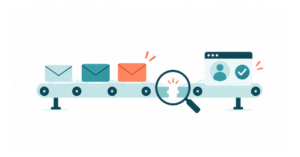
Many teams already have the data they need. Form fills, email engagement, and CRM records all hold useful signals. The challenge is turning those signals into segments that actually drive better campaigns.
When segmentation is done well, everything improves. Messaging becomes more relevant, send volume decreases, and performance becomes more predictable.
Why First-Party Data Matters More Now
Third-party data is becoming less reliable, and privacy expectations are higher than ever.
That shift puts more pressure on the data you collect directly from your audience. First-party data is permission-based, usually more accurate, and more sustainable in the long term.
It also plays a role in deliverability and compliance. When you’re targeting based on known preferences and behaviors, your emails are more likely to be relevant and less likely to trigger complaints or disengagement.
The opportunity isn’t just to replace third-party data. It’s to build a stronger foundation for how you segment and communicate.
Turning Data into Actionable Segments
Collecting data is only part of the process. The real value comes from making it usable.
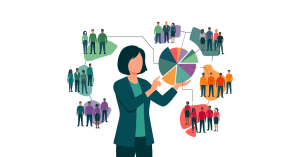
Effective segmentation connects multiple data points to create a clearer picture of each contact. That typically includes:
- Form data, like interests or selected preferences
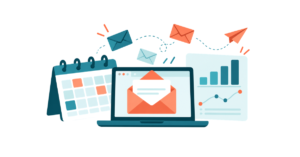
- Engagement data, such as opens, clicks, and site activity
- CRM data, including journey stage, role, or account details
When those inputs are connected, segmentation becomes much more precise.
Instead of broad lists, you can target based on actual behavior and intent.
Practical Ways to Use First-Party Data for Segmentation
Smarter segmentation doesn’t need to be complicated. It just needs to reflect how people interact with your brand.
Here are a few ways to put first-party data to work.
Build Journey-Based Segments
Not every contact is in the same stage, and your messaging shouldn’t treat them that way.
Segmenting by journey stage allows you to align messaging with where someone is in their decision process.
For example:
- New leads receiving onboarding or educational content
- Active prospects getting product-focused messaging
- Customers receiving retention or expansion campaigns
This keeps communication relevant and prevents sending to contacts who aren’t ready for certain messaging.
Trigger Re-Engagement at the Right Time
Engagement data is one of the most useful signals you have.
Instead of waiting until a contact is completely inactive, you can use engagement trends to trigger re-engagement earlier.
For example:
- No opens or clicks within a defined time frame
- Declining engagement across recent campaigns
- Reduced website activity
These signals can trigger targeted campaigns designed to bring contacts back before they disengage completely.
Use Preferences to Guide Targeting
Forms and preference centers provide direct insight into what contacts want to hear about.
That data should shape how often you send, what topics you include, and which campaigns contacts receive.
For example:
- Content categories selected during signup
- Product or service interests
- Pages visited or content downloaded
Using this data reduces unnecessary sends and increases the likelihood that your messages align with expectations.
Connecting Data Across Systems
One of the biggest barriers to effective segmentation is disconnected data.
Form submissions live in one place. Engagement data lives in another. CRM data sits somewhere else entirely.
When those systems don’t communicate, segmentation becomes limited.
Platforms like emfluence bring these data points together so you can build segments that reflect the full picture. Instead of relying on one data source, you can combine behavior, preferences, and lifecycle data into a single audience.
That’s what makes segmentation more useful and more scalable.
Better Segmentation Leads to Better Performance
Segmentation is often treated as a way to improve targeting, but the impact goes further than that.
When segmentation improves:
- Send volume often decreases because you’re targeting more precisely
- Engagement rates increase because messaging is more relevant
- Deliverability improves because you’re sending to more responsive audiences
- Risk decreases because communication is aligned with consent and preferences
It’s a more efficient way to operate, and it leads to more consistent results.
Build Segments That Reflect Real Behavior
First-party data gives you a clearer view of your audience. The next step is using it in a way that reflects how people actually interact with your brand.
That means moving beyond static lists and building segments that update based on behavior, preferences, and journey stage progression.
When your segmentation evolves with your audience, your campaigns stay relevant without requiring constant manual updates.
Turn First-Party Data into Action
If you’re already collecting first-party data, you’re in a good position. The focus now should be on making that data easier to use.
Better segmentation doesn’t require more data. It requires connecting what you already have and using it more effectively.
Want to see how your data can work harder for your campaigns?
Explore how the emfluence Marketing Platform helps you turn form data, engagement, and CRM insights into smarter, more effective segments.