
If you’ve ever asked whether SMS marketing is better than email marketing, you’re asking the wrong question.
The most effective marketing teams don’t choose one channel over the other. They choose the channel that best fits the message, the audience, and the moment.
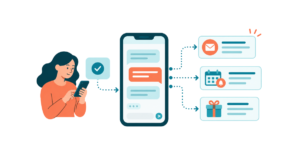
Email and SMS each play an important role in a successful marketing strategy, but they were designed to accomplish different things. Email gives marketers the space to educate, build relationships, and tell a story. SMS delivers short, timely messages that encourage immediate action.
Understanding those strengths is the key to creating a better customer experience.
Rather than thinking about email and SMS as competing channels, think of them as complementary tools. When used together, they help marketers deliver more relevant communications throughout the customer journey.
When Email Is the Better Choice
Email remains one of the most versatile marketing channels available. It gives marketers the flexibility to deliver detailed information, incorporate rich visuals, and guide recipients through more complex decisions.
Sharing Educational Content
Some messages simply require more space than a text message allows.
Whether you’re promoting a blog article, sharing an industry report, announcing a webinar, or introducing a new product, email provides room to explain why the content matters and what recipients should do next.
Instead of reducing valuable information to a few sentences, marketers can include supporting images, multiple links, downloadable resources, and clear calls to action within a single message.
When your goal is to educate rather than prompt an immediate response, email is almost always the better choice.
Building Long-Term Relationships
Not every campaign is designed to generate an immediate conversion.
Newsletters, nurture campaigns, onboarding programs, customer education, and product updates all help strengthen relationships over time.
These communications allow marketers to consistently provide value, demonstrate expertise, and stay connected with customers between purchases.
Because email supports longer-form content, it’s ideal for delivering information that customers may want to reference later.
Communicating Complex Information
Some communications simply don’t fit within the limits of a text message.
Implementation timelines, event agendas, product comparisons, policy updates, training materials, and detailed announcements are all better suited for email.
Recipients can easily revisit the message, forward it to colleagues, download attachments, or return to linked resources when they’re ready.
Trying to deliver this level of information through SMS often creates more friction than convenience.
Supporting Promotional Campaigns
Email continues to be one of the strongest channels for promotional marketing.
Seasonal campaigns, product launches, exclusive offers, and event invitations all benefit from the flexibility of email. Marketers can combine compelling visuals, persuasive copy, customer stories, and multiple calls to action without overwhelming recipients.
That doesn’t mean every promotion belongs in an inbox. It simply means email gives marketers more room to explain the value behind an offer before asking someone to take action.
When SMS Is the Better Choice
SMS marketing isn’t designed toa replacement for replace email.
Its value comes from speed, simplicity, and visibility.
Most text messages are read within minutes, making SMS an effective channel when timing matters and the next step is clear.
Time-Sensitive Communications
Some messages lose value if they aren’t seen quickly.
Appointment reminders, event notifications, registration deadlines, shipping updates, and service alerts are all excellent candidates for SMS.
A brief reminder delivered at the right moment is often more effective than a detailed email that sits unopened in an inbox.
Encouraging Immediate Action
SMS works best when there is one clear action for the recipient to take.
- Confirm an appointment.
- Complete a registration.
- Redeem an offer.
- Respond to a survey.
Because there are fewer distractions, recipients can quickly understand what is being asked and act without scrolling through paragraphs of content.
Delivering Short, Focused Messages
The best text messages are concise.
Rather than trying to summarize an entire campaign, focus on a single message with a single call to action.
If additional information is needed, include a link to a landing page where recipients can learn more.
This approach keeps the text message useful without asking customers to consume large amounts of content on a mobile device.
When Email and SMS Work Best Together
The most effective marketing campaigns rarely rely on a single channel.
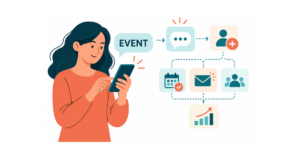
Email and SMS each have strengths, and using them together allows marketers to create a more connected customer experience. Rather than sending duplicate messages across both channels, think about how each one can support the next step in the customer journey.
Here are a few examples.
Event Marketing
Email is ideal for promoting an event, sharing the agenda, introducing speakers, and encouraging registrations.
As the event approaches, SMS becomes the better channel for reminders, last-minute updates, parking instructions, or changes to the schedule.
Each message serves a different purpose, helping attendees stay informed without overwhelming them with unnecessary emails.
Customer Onboarding
A welcome email series can introduce new customers to your organization, explain what to expect, and provide educational resources over time.
SMS can reinforce those communications with appointment confirmations, training reminders, or notifications that require immediate attention.
Together, the channels create an onboarding experience that is both informative and timely.
Promotions and Special Offers
Email provides space to explain an offer, showcase products or services, and answer common questions.
SMS can be used strategically to remind customers about an offer before it expires or to encourage action during a limited-time promotion.
Using both channels doesn’t mean sending the same message twice. It means using each channel where it adds the most value.
Surveys and Feedback Requests
Email works well when surveys require additional context or include multiple questions.
SMS can be an effective follow-up for short surveys or quick satisfaction ratings immediately after an appointment, purchase, or event.
Because the request is timely and easy to complete, response rates often improve.
Best Practices for Email and SMS Marketing
Adding another communication channel doesn’t automatically improve your marketing results.
The most successful omnichannel marketing strategies are built around customer preferences, thoughtful timing, and relevant messaging.
Respect Customer Preferences
Not every customer wants to receive both email and SMS communications.
Give people control over how they hear from your organization, what types of messages they receive, and how often they receive them.
Preference centers and clear opt-in processes help build trust while ensuring customers receive communications they actually want.
Don’t Duplicate Every Message
One of the quickest ways to frustrate customers is by sending the same content through multiple channels at the same time.
Instead, think about how each channel contributes to the overall experience.
If an email provides the details, an SMS reminder may simply reinforce the next step.
Each communication should add value rather than repeat what customers have already seen.
Coordinate Your Timing
The timing of your messages matters just as much as the channel itself.
For example, sending an educational email immediately followed by an SMS promoting the same content often feels unnecessary.
A better approach is to use email to introduce the information and reserve SMS for reminders, confirmations, or urgent updates closer to the desired action.
Coordinating your communications creates a more natural customer experience while reducing message fatigue.
Measure More Than Opens and Clicks
Performance metrics are important, but they don’t tell the entire story.
Look beyond open rates and click-through rates to understand how each channel contributes to customer engagement and business outcomes.
Consider metrics such as:
- Event registrations
- Appointment attendance
- Survey completion rates
- Purchases
- Customer retention
- Revenue influenced by campaigns
Evaluating channels together instead of independently provides a more complete picture of campaign performance.
The Best Channel Depends on the Customer
Email and SMS aren’t competing marketing channels. They’re complementary tools that help marketers communicate more effectively.
Email is the better choice when customers need context, education, or detailed information. SMS is most effective when messages are timely, concise, and focused on immediate action.
The most successful marketing teams understand that neither channel works in isolation.
Instead of asking whether SMS is better than email, ask which channel will create the best experience for your customer at this moment.
When you build your communication strategy around customer needs rather than individual channels, every campaign becomes more relevant, more engaging, and more effective.
Build Connected Email and SMS Campaigns
Email and SMS each play an important role in modern marketing. Bringing them together in a single marketing automation platform makes it easier to deliver coordinated, personalized communications throughout the customer journey.