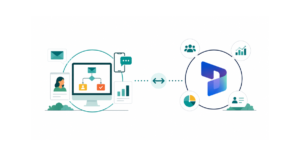

Microsoft Dynamics is a powerful CRM, and many organizations rely on it as the foundation for managing customer relationships and sales activity. Over time, most teams layer marketing tools on top of Dynamics to support campaigns, communications, and lead management.
At first, those tools often meet basic needs. But as marketing programs grow more sophisticated, teams frequently encounter friction that slows execution, limits insight, and makes it harder to demonstrate impact.
If campaigns feel harder than they should be or results are not keeping pace with expectations, your current marketing stack may be holding you back.
Being on Microsoft Dynamics 365 shouldn’t limit your marketing capabilities—teams should expect high-quality, flexible options that evolve with their strategy.
Here are the most common signs it is time to upgrade.
Campaign Execution Requires Too Many Workarounds
If launching campaigns involves manual processes, data exports, or constant troubleshooting, productivity suffers.
Typical indicators include:
- Difficulty building multi-step journeys
- Manual list preparation before each send
- Limited automation capabilities
- Complex setup for routine campaigns
- Dependence on additional tools to fill gaps
Marketing teams need flexibility to respond quickly. When execution becomes cumbersome, opportunities are lost.
Segmentation Cannot Keep Up with Your Data
As databases grow, targeting requirements become more nuanced.
Static lists and rigid filters may work early on, but they struggle to support dynamic, behavior-driven marketing.
Warning signs include:
- Lists that become outdated quickly
- Difficulty combining demographic, firmographic, and behavioral data
- Limited visibility into audience changes
- Inconsistent targeting across campaigns
Dynamic segmentation allows audiences to update automatically as customer data evolves.
Personalization Feels Generic
Modern buyers expect communications that reflect their interests, needs, and relationship with your organization. Basic mail-merge personalization is no longer enough.
If messages rely primarily on names or company fields, they may fail to stand out.
More effective personalization requires:
- Behavioral insights
- Lifecycle context
- Role-specific messaging
- Product or service relevance
- Conditional content that adapts to each recipient
Without these capabilities, campaigns struggle to resonate.
Reporting Doesn’t Support Strategic Decisions
Leadership needs visibility into how marketing contributes to pipeline and revenue. Surface-level metrics alone do not provide that clarity.
Signs reporting may be insufficient include:
- Difficulty connecting campaigns to opportunities
- Manual data consolidation for leadership reports
- Inconsistent metrics across teams
- Limited insight into account engagement
Strong reporting should guide strategy, not just summarize activity.
Deliverability and Compliance Are Becoming Harder to Manage
Email requirements continue to evolve, and maintaining a strong sending reputation requires active, ongoing management—not just the right technology.
Organizations may encounter challenges such as:
- Declining inbox placement
- Limited visibility into reputation issues
- Difficulty managing preferences and consent
- Rising unsubscribe or complaint rates
When these issues surface, resolution isn’t always straightforward. Deliverability requires specialized expertise, timely troubleshooting, and direct access to support that understands both the platform and the underlying email ecosystem.
Without that level of support, teams are often left diagnosing problems on their own, which slows down response time and increases risk to both performance and customer trust.
Multi-Channel Engagement Feels Disconnected
Customer journeys span email, SMS, events, web interactions, and direct sales conversations. When tools operate independently, communications can become repetitive or inconsistent.
Effective engagement requires coordination across channels so messaging feels intentional and timely.
Without orchestration, even strong campaigns can produce a fragmented experience.
Sales Lacks Insight into Marketing Activity
Dynamics excels at managing sales pipelines, but marketing insights must flow into CRM records to support alignment.
If sales teams cannot see engagement history, valuable context is lost. This often leads to duplicate outreach, missed follow-ups, or conversations that ignore prior interactions.
A well-integrated marketing platform enhances the value of CRM data rather than operating separately from it.
Your Team Has Outgrown “Good Enough”
Perhaps the clearest signal is strategic frustration.
Your team has ideas for more sophisticated programs but lacks the tools to execute them efficiently. Growth demands flexibility, automation, and insight that entry-level capabilities cannot always provide.
Upgrading does not mean replacing Dynamics. It means extending it with marketing capabilities designed for modern execution.
Extend Dynamics Without Disrupting It
Dynamics remains the system of record for customer data and sales activity. The goal is to build on that foundation, not move away from it.
A purpose-built marketing automation platform that integrates directly with Dynamics can provide:
- Flexible campaign management
- Advanced segmentation and personalization
- Cross-channel orchestration
- Robust reporting and attribution
- Deliverability support and guidance
- Shared visibility between marketing and sales
These capabilities allow marketing teams to scale while keeping CRM data accurate and central.
Get More from Your Dynamics Investment
If your current marketing stack is slowing execution, limiting insight, or making it difficult to scale, it may be time for a change.
Organizations that upgrade strategically can unlock new efficiency, improve customer experiences, and demonstrate clearer business impact while continuing to rely on Dynamics as their core system.
Want to see how a marketing platform built specifically for Dynamics marketers can expand what your team can accomplish? See how emfluence integrates directly with Dynamics to support sophisticated campaigns while keeping your CRM at the center.