
SMS marketing continues to deliver some of the highest engagement rates in digital marketing.
Messages are seen quickly, response rates are often strong, and the channel creates a sense of immediacy that email and social media cannot always match.
But that effectiveness creates a temptation.
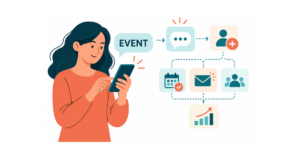
As marketing teams become more comfortable with SMS automation, many begin adding more triggers, more campaigns, and more touchpoints. Over time, those automated messages can start to pile up, creating a subscriber experience that feels overwhelming rather than helpful.
The result is often SMS fatigue.
When subscribers feel like every action triggers another text message, engagement declines, opt-outs increase, and the channel loses much of its value.
The challenge is not whether to automate SMS. It is how to automate it responsibly.
Why SMS Automation Can Backfire
Automation helps marketers scale communication and respond to customer behavior in real time. However, SMS is fundamentally different from other marketing channels.
The Unique Intimacy of the Text Channel
Most people receive far fewer text messages than emails.
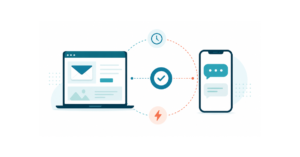
A marketing email may sit unread for hours or days without causing frustration. A text message often appears immediately on a lock screen, vibrates a device, or interrupts whatever the recipient is doing.
That visibility is one of SMS marketing’s greatest strengths.
It is also what makes overuse so risky.
Subscribers tend to have less tolerance for irrelevant, repetitive, or excessive text messages than they do for email.
What Over-Automation Looks Like in Practice
Over-automation is not always obvious.
In many cases, individual workflows seem reasonable on their own. The problem occurs when multiple automations operate simultaneously.
For example, a subscriber might:
- Receive a welcome text after signing up
- Receive a promotional message later that day
- Trigger a browse abandonment message
- Receive a cart abandonment reminder
- Receive a flash sale notification
Individually, each message may be justified.
Collectively, they can feel overwhelming.
The issue is often not one workflow. It is the cumulative experience.
Warning Signs Your SMS Program Has Fatigue
Subscriber fatigue rarely appears overnight.
There are usually warning signs before engagement drops significantly.
Rising Opt-Out Rates
One of the clearest indicators of SMS fatigue is an increase in unsubscribe activity.
If opt-out rates begin rising after new automations are introduced, frequency may be contributing to the problem.
Pay particular attention to:
- Opt-outs by workflow
- Opt-outs by subscriber segment
- Opt-outs following promotional campaigns
- Opt-outs after high-frequency periods
These trends can reveal where automation may be creating friction.
Declining Click-Through and Conversion Rates
Subscribers who feel overwhelmed often stop engaging before they unsubscribe.
If click-through rates and conversion rates begin declining despite consistent offers and creative, fatigue may be a contributing factor.
More messages do not always create more engagement.
In many cases, they create diminishing returns.
Customers Start Ignoring Your Messages
One of the earliest signs of fatigue is declining engagement without a corresponding increase in unsubscribes.
Subscribers may still be technically active, but they stop clicking, responding, or interacting with messages.
This often happens before opt-outs increase and can signal that your SMS program is approaching a saturation point.
Engagement Drop-Off by Subscriber Tenure
Long-term subscribers often respond differently than newer subscribers.
Review engagement trends based on subscriber age.
If engagement consistently declines after a certain period, your ongoing messaging strategy may need adjustment.
Not every subscriber should receive the same volume of communication indefinitely.
The Most Common Over-Automation Mistakes
Most SMS fatigue issues can be traced back to a few common mistakes.
Triggering Too Many Messages from a Single Action
A single customer action should not create a cascade of messages.
For example, a website visit could trigger:
- An SMS workflow
- An email workflow
- A retargeting campaign
- A sales notification
- Additional promotional messaging
Without coordination, subscribers may experience multiple communications based on a single interaction.
Before launching new automations, map all potential customer touchpoints to understand the full experience.
Ignoring Frequency Caps Across Channels
Many organizations manage email frequency and SMS frequency separately.
Subscribers experience them together.
A customer does not distinguish between receiving three emails and two text messages in a day. They simply experience five marketing messages.
Effective marketers evaluate communication frequency across all channels, not within individual platforms.
Skipping Personalization in Favor of Volume
Automation makes it easy to send more messages.
That does not mean you should.
Sending generic messages to large audiences often contributes to fatigue faster than highly targeted communications.
The more relevant a message feels, the more likely subscribers are to tolerate and appreciate it.
How to Set Smarter SMS Frequency Rules
There is no universal frequency that works for every audience.
However, establishing clear guidelines can help prevent over-messaging.
Recommended SMS Frequency by Use Case
| SMS Use Case | Recommended Frequency |
| Promotional Campaigns | 2-6 messages per month |
| Cart Abandonment | 1-3 messages per event |
| Transactional Updates | As needed |
| Loyalty or VIP Programs | 2-4 messages per month |
| Event Reminders | 1-3 messages per event |
These recommendations should be adjusted based on audience preferences, industry, and engagement trends.
Building Post-Purchase Cooldown Periods
One common mistake is continuing promotional messaging immediately after a purchase.
Consider implementing cooldown periods that temporarily reduce promotional communications after a conversion.
This allows subscribers time to engage with their purchase before receiving additional marketing messages.
Coordinating SMS and Email to Avoid Overlap
Email and SMS should complement each other rather than compete for attention.
Before sending a message, consider:
- Has this subscriber already received a similar message through another channel?
- Does SMS add value beyond the email?
- Is the timing appropriate?
Channel coordination helps reduce fatigue while improving the overall customer experience.
Personalization and Segmentation as Fatigue Prevention
The best defense against SMS fatigue is relevance.
Subscribers are often willing to receive more messages when those messages consistently provide value.
Journey-Based Segmentation for SMS
Different subscribers have different expectations.
A new lead, first-time customer, loyal customer, and inactive contact should not receive the same SMS experience.
Journey-based segmentation helps marketers align messaging frequency and content with subscriber needs.
Behavioral Triggers vs. Broadcast Campaigns
Behavioral triggers often outperform broadcast campaigns because they are tied to demonstrated interest.
Examples include:
- Product views
- Cart abandonment
- Purchase activity
- Loyalty milestones
- Event registrations
When messages are connected to subscriber behavior, they feel more relevant and less intrusive.
A Framework for Sustainable SMS Automation
Automation should support the customer experience, not overwhelm it.
Auditing Your Current Automation Map
Start by documenting every SMS workflow currently active.
Review:
- Entry triggers
- Exit criteria
- Message frequency
- Overlapping workflows
- Cross-channel communications
Many teams discover they are sending far more messages than intended once everything is mapped visually.
Setting Up Fatigue Controls in Your Platform
Effective SMS programs include safeguards.
Examples include:
- Frequency caps
- Cooldown periods
- Engagement-based suppression
- Lifecycle-based segmentation
- Cross-channel coordination rules
These controls help maintain a healthy balance between engagement and overcommunication.
Sustainable SMS Programs Prioritize Relevance Over Volume
The goal of SMS automation is not to send more messages.
The goal is to send the right message at the right time.
As automation programs mature, the most successful marketers focus less on maximizing volume and more on creating experiences that feel relevant, timely, and valuable to subscribers.
Subscribers who feel understood are more likely to stay engaged. Subscribers who feel overwhelmed are more likely to tune out—or opt out altogether.
Want more control over your SMS and email automation strategy? emfluence helps marketing teams build coordinated customer journeys, manage communication frequency, and create automation programs that scale without overwhelming subscribers.